
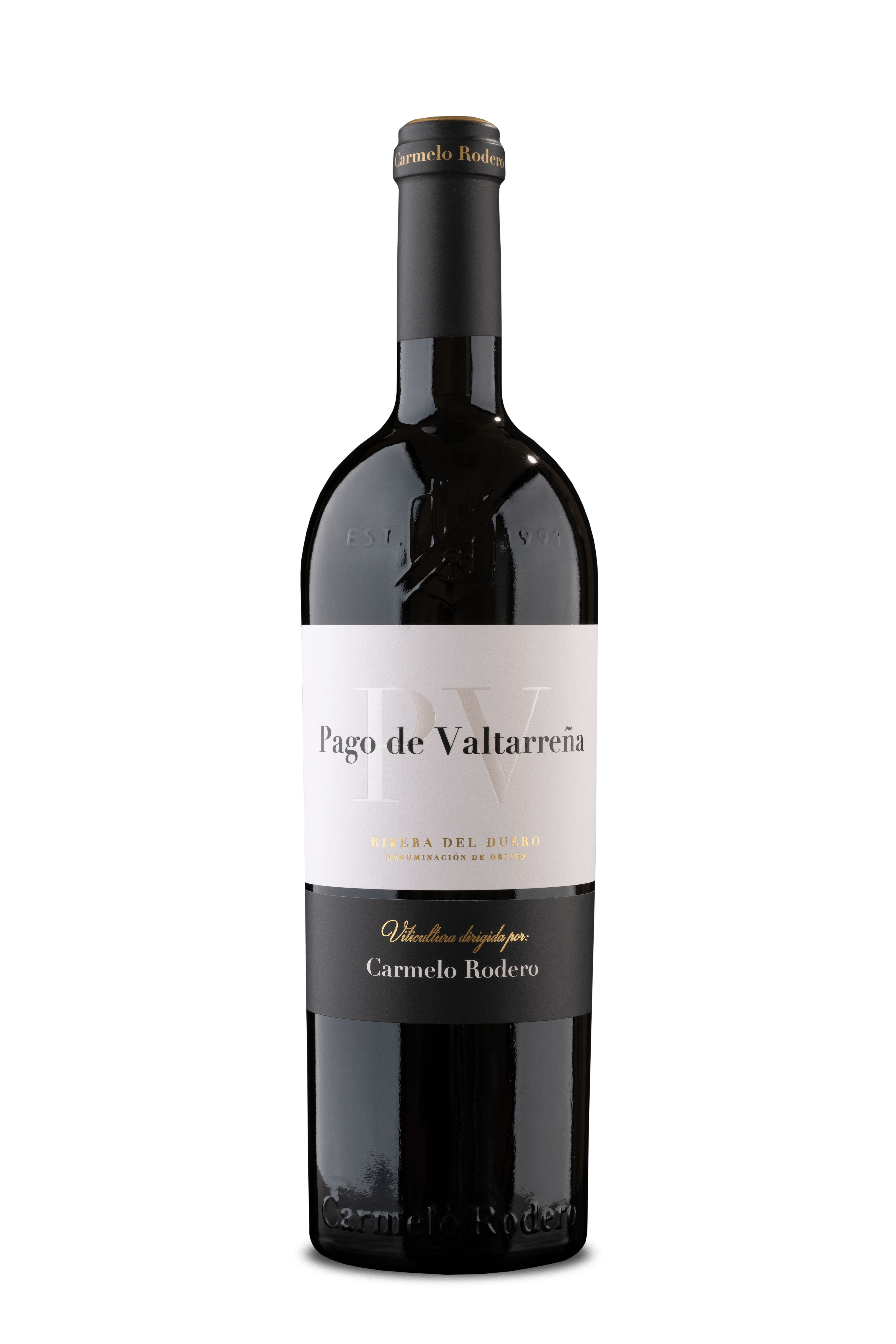
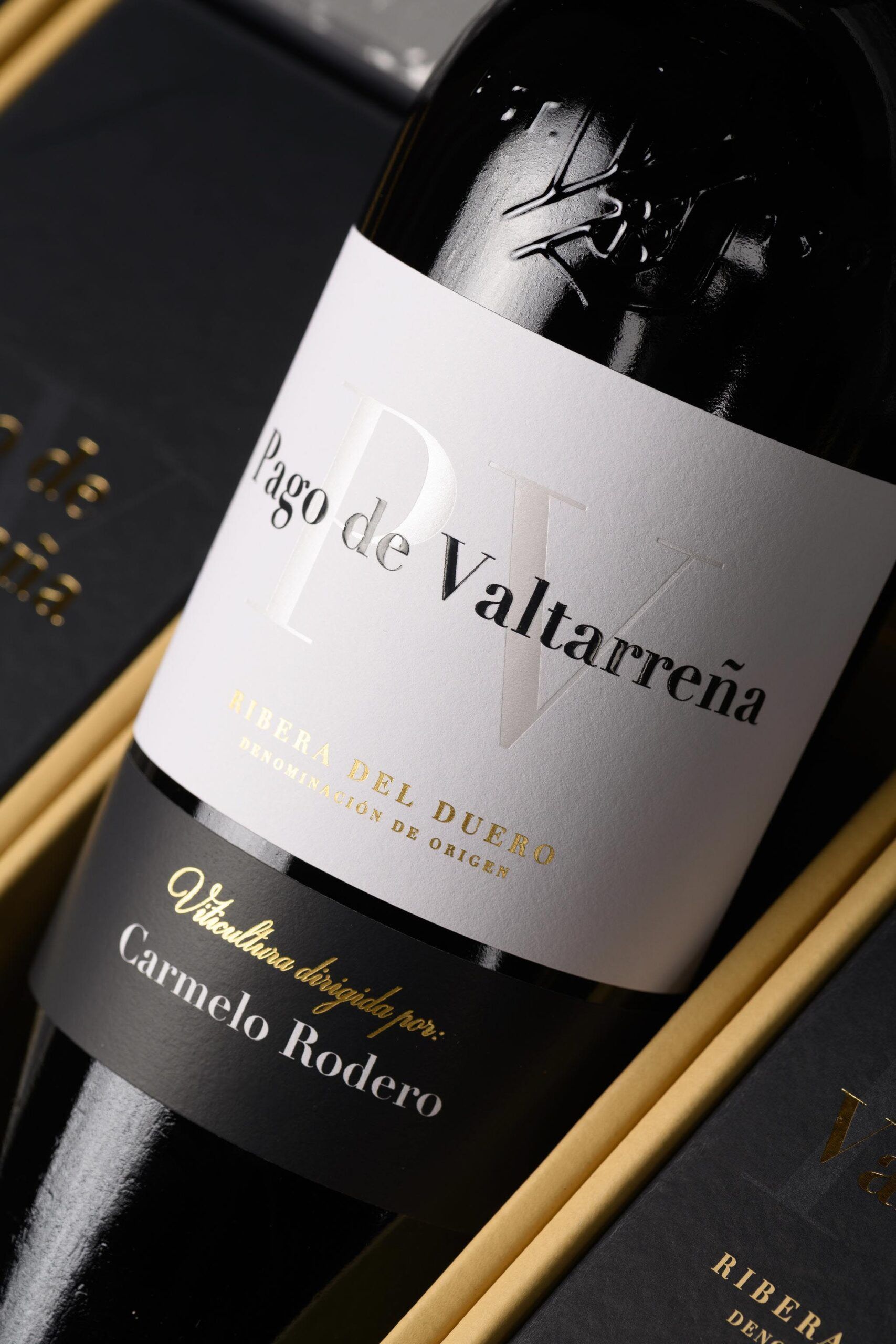
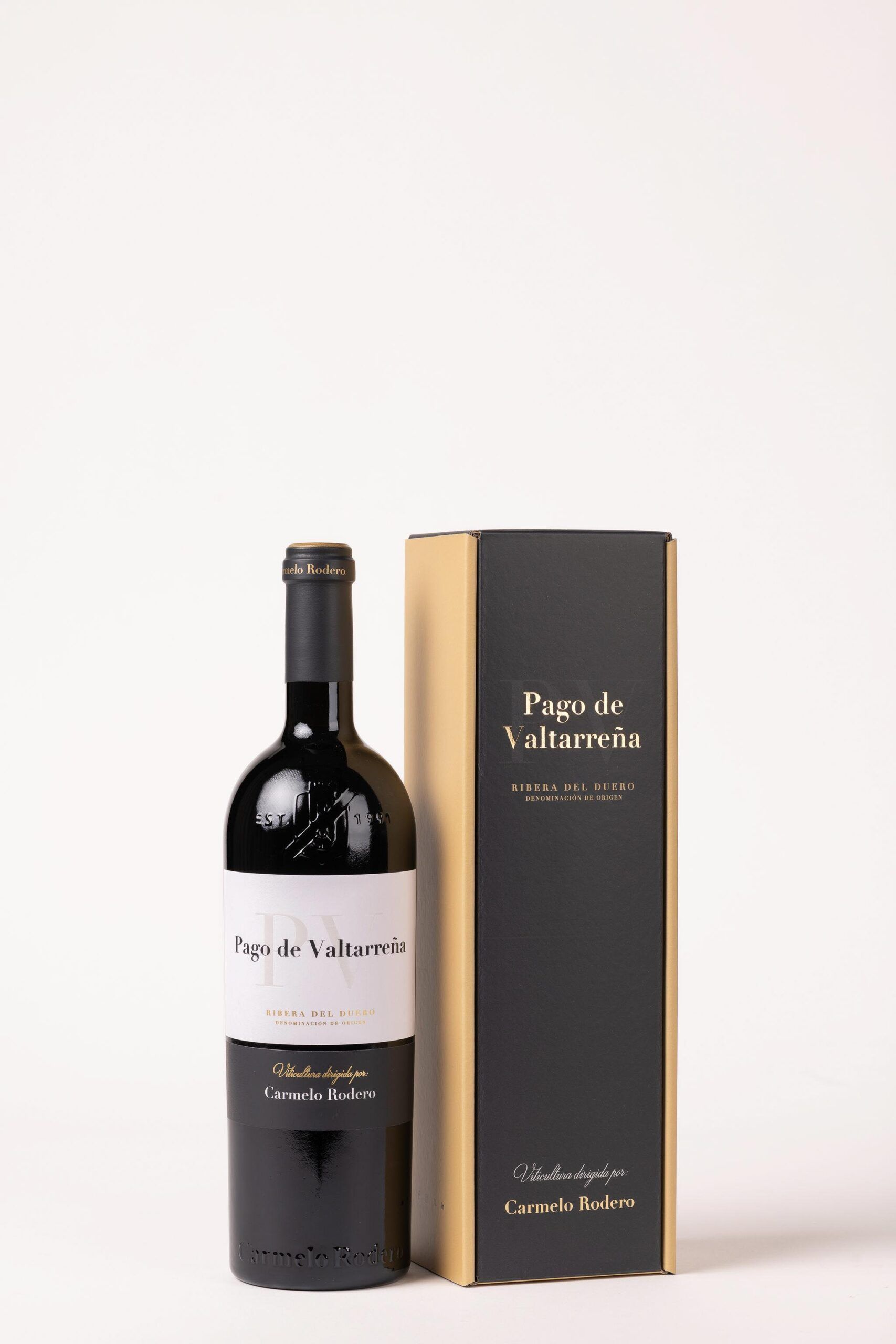
Pago de Valtarreña
2022
Crafted exclusively in exceptional vintages since 1999, born from our family clone of Tempranillo.
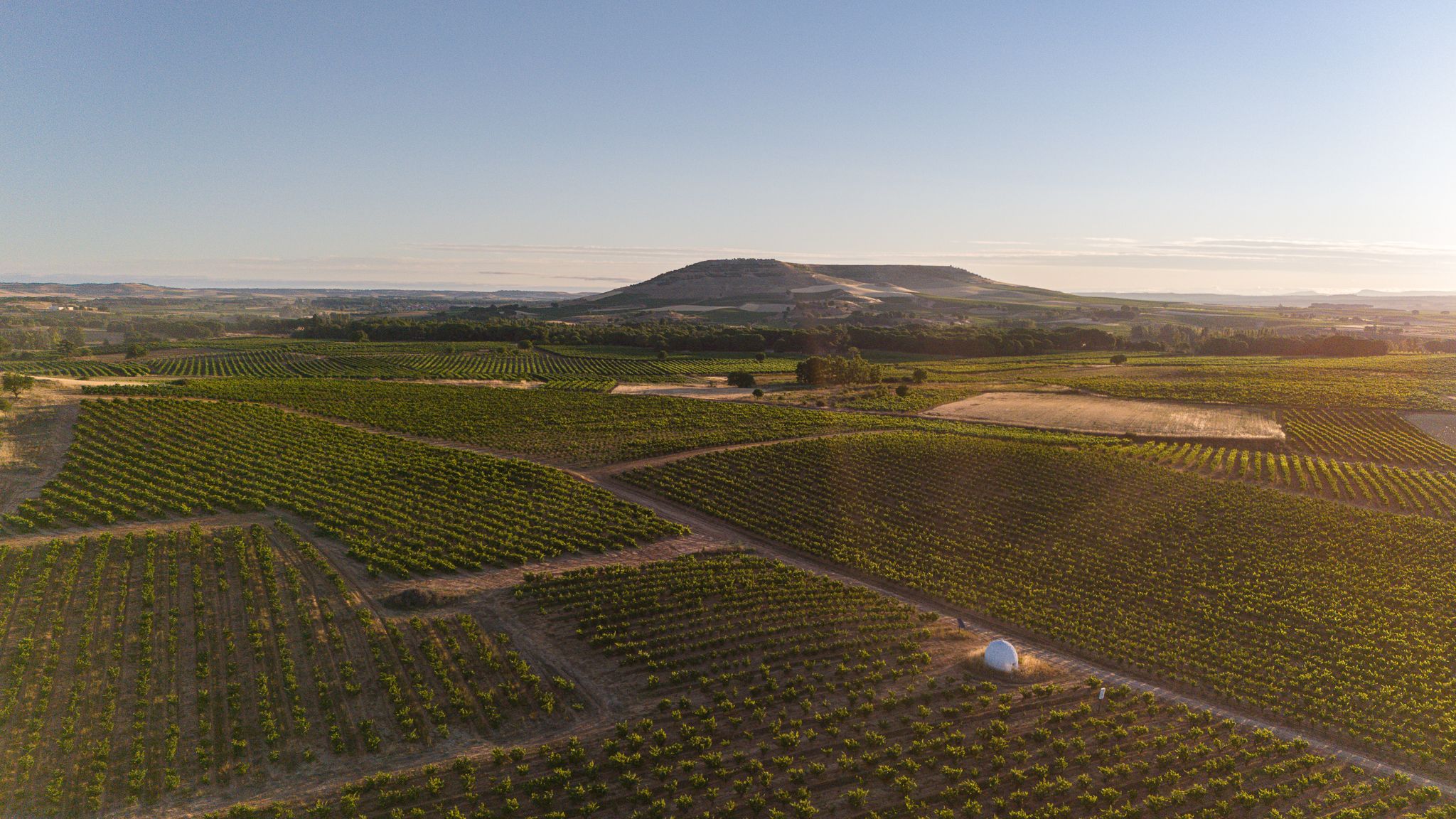
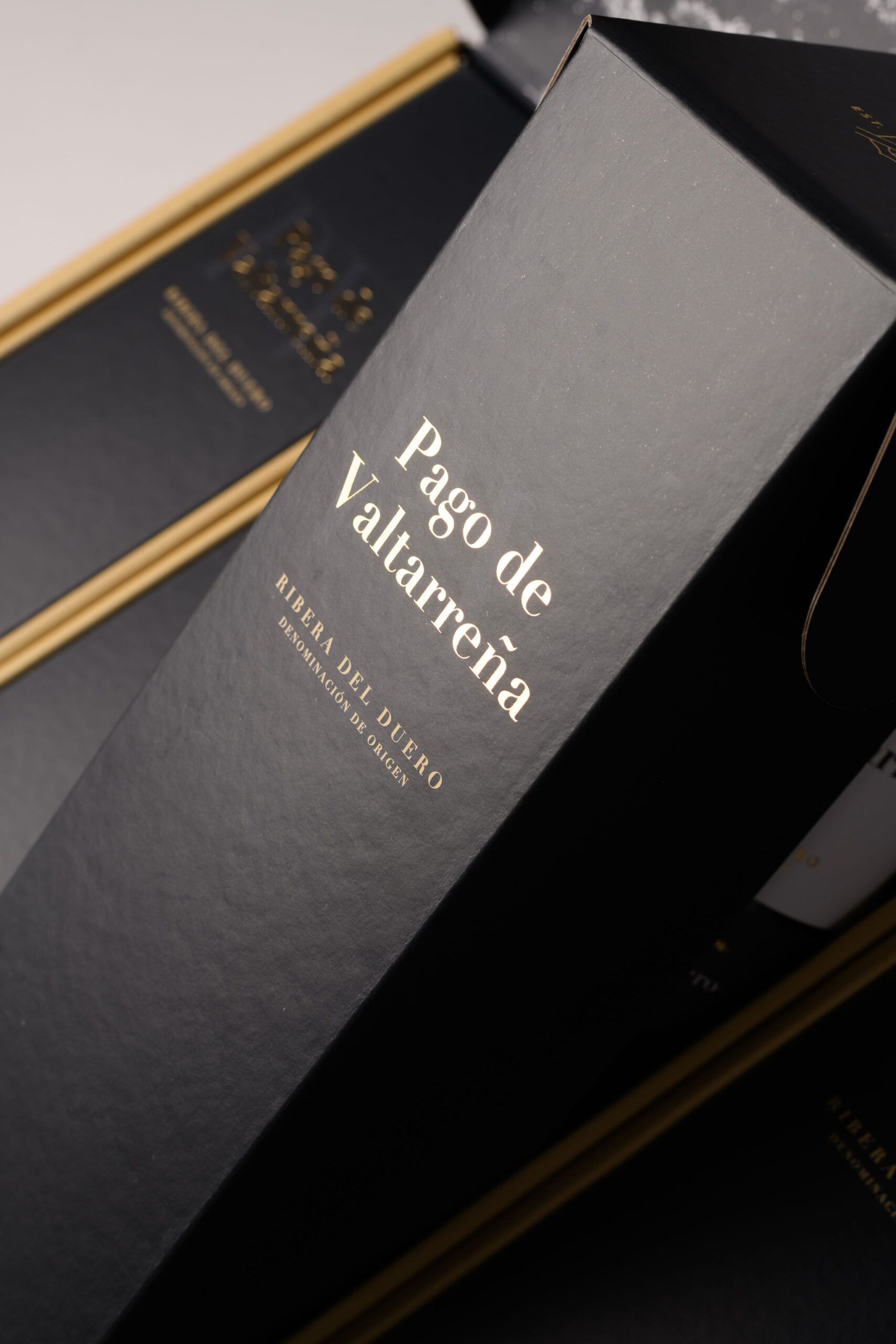
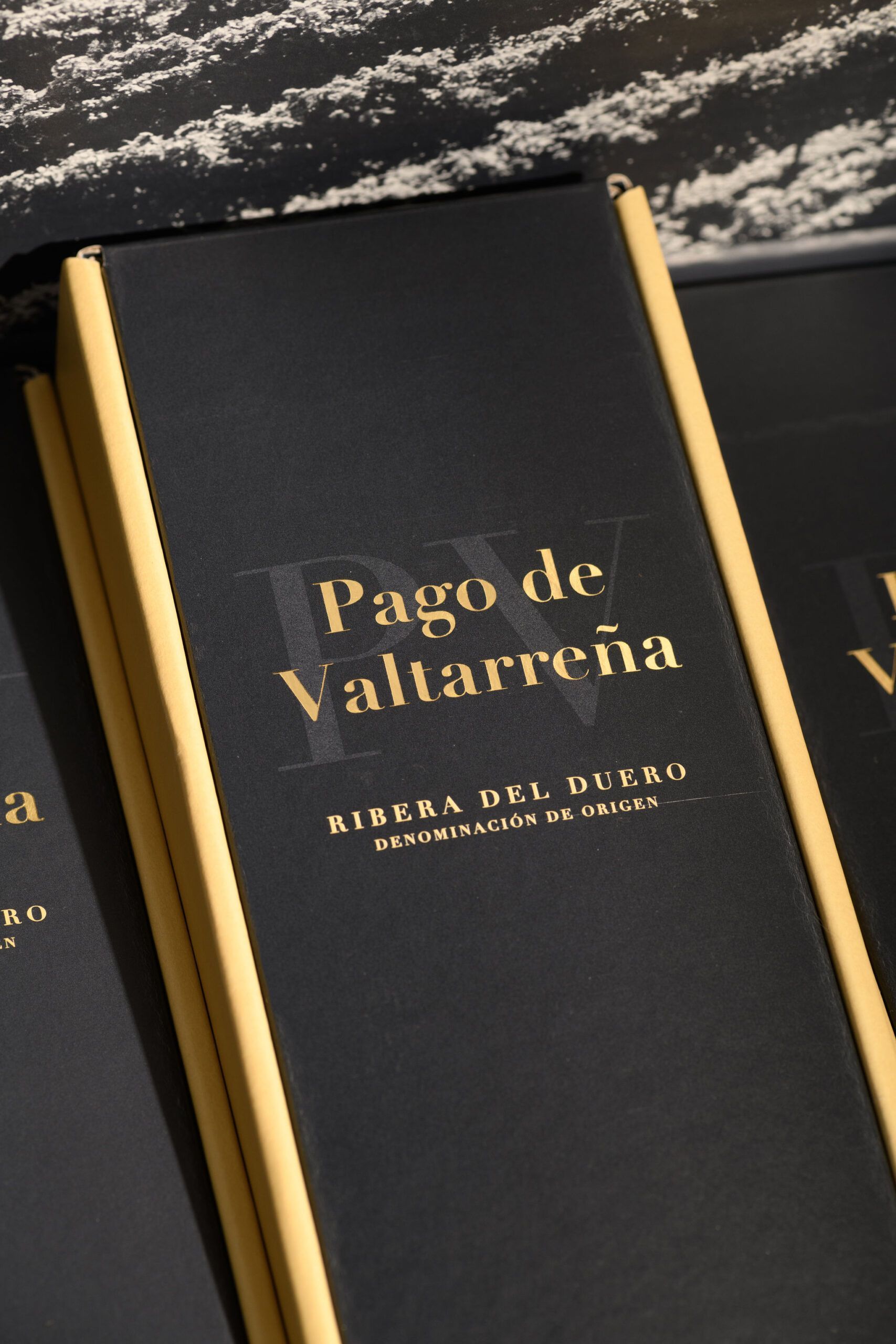
Pago de Valtarreña comes from a single 10.70-hectare plot located in Pedrosa de Duero. With a strictly limited production of 26,250 bottles, this red wine subtly expresses the elegance of Ribera del Duero, combining aromas of ripe fruit and delicate spicy notes framed by velvety tannins. Its silky feel reflects the dedication and character of this artisan wine.
A Single Plot in the
Ribera del Duero
A single-vineyard wine produced since 1999 only when the grape quality is exceptional. It is born from the family clone of our land's queen variety, the Tempranillo grape.
An elegant, refined wine that bottles the expertise of an entire generation. Its ageing in selected French oak barrels exalts the aromatic intensity of the grape and brings subtle nuances that enhance its character. On the palate, it is silky and enveloping, culminating in a lingering finish that leaves an indelible mark.
Last vintage produced: 2022 | Exclusive production: 26,250 bottles (0.75L).
The Expression of a
Signature wine
Specifications and Analysis
View
With an attractive bright cherry colour and an impeccably clear appearance, this wine visually anticipates an expression full of character and depth.
Nose
It displays an intense and complex range of ripe black fruits, in perfect harmony with elegant toasted nuances that evoke subtle notes of leather and coffee, recalling the authenticity of our terroir.
Mouth
Its texture is fleshy and velvety, with a solid structure that is masterfully balanced by a fresh vivacity. The palate is enveloping, culminating in a prolonged and pleasant finish. Ideal to accompany red meats, spiced stews or mature cheeses.
Winemaking by
Gravity
In 2004, Carmelo devised a unique rotating system for making wines by gravity, protected under patent and designed to minimise the handling of the grapes.
Unlike traditional methods, in this novel design It is the sediments that move gently towards the grape, completely avoiding the use of pumps or other aggressive transfer mechanisms.
From a purely oenological point of view, this procedure guarantees optimal protection of the grape, substantially reduces premature oxidation and maximally respects the original aromas and flavours.
